Sourcing & quality
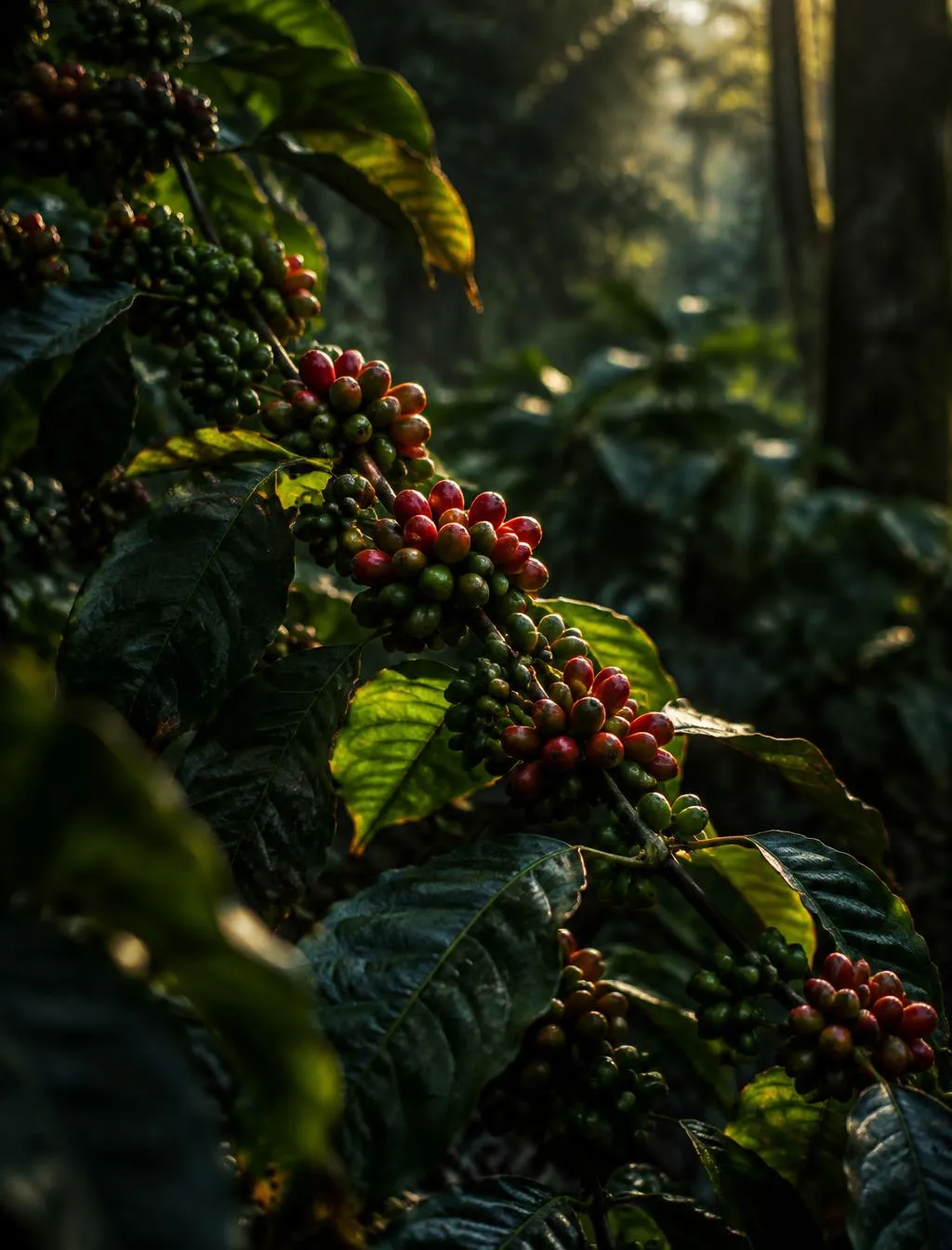
Local coffee sourcing.
Direct supplier communication.
A straightforward approach: local presence in Mizan, clear buyer requirements, and direct conversations about supply.
01Local sourcing relationships
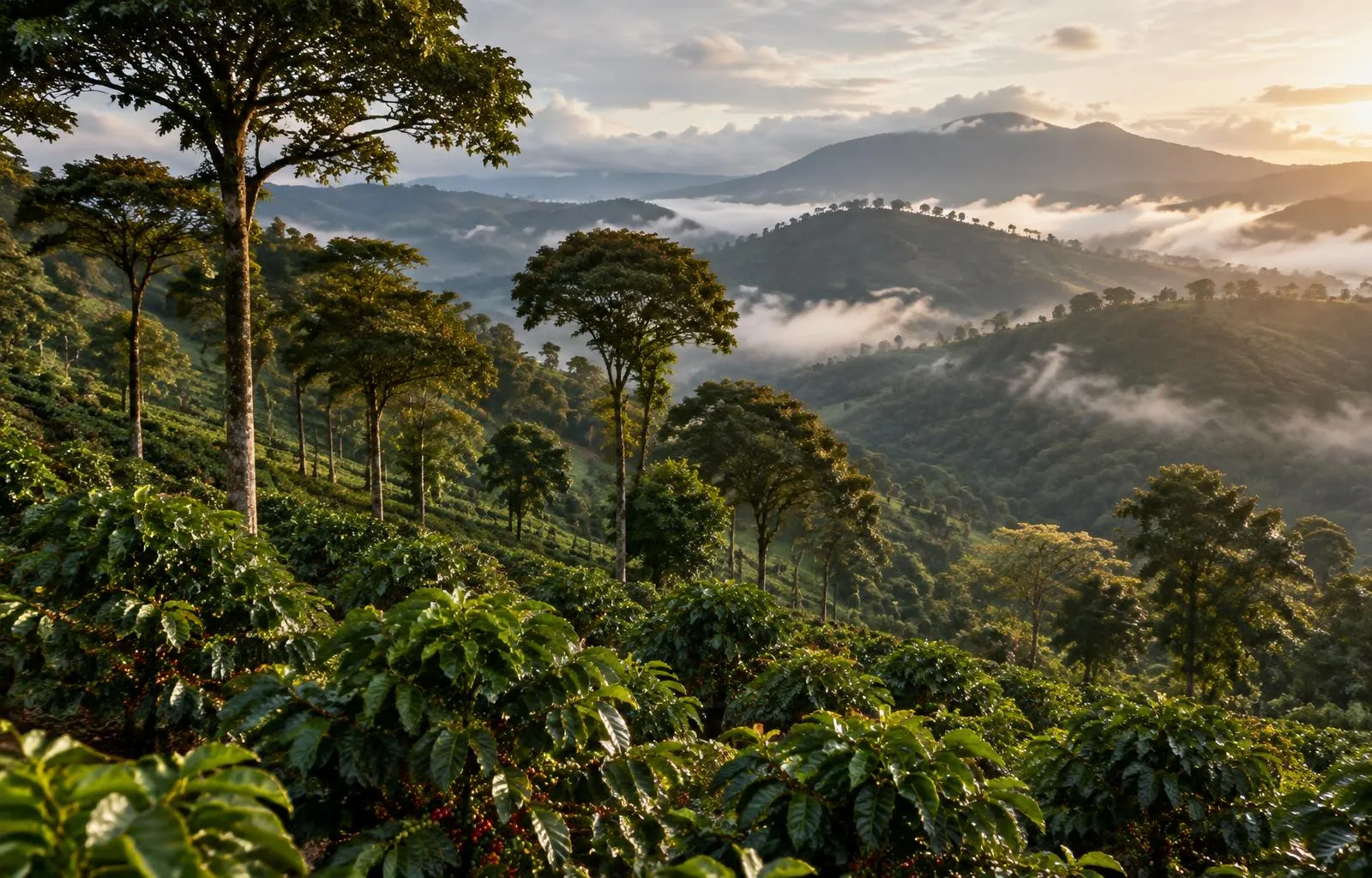
Rooted in Mizan.
Mohammed Kedir is based in Mizan, in southwestern Ethiopia. Working locally means he is close to the coffee supply he discusses with buyers.
His role is that of an individual distributor: a direct point of contact between local supply and exporters operating in Ethiopia.
02Buyer requirements
Your specifications come first.
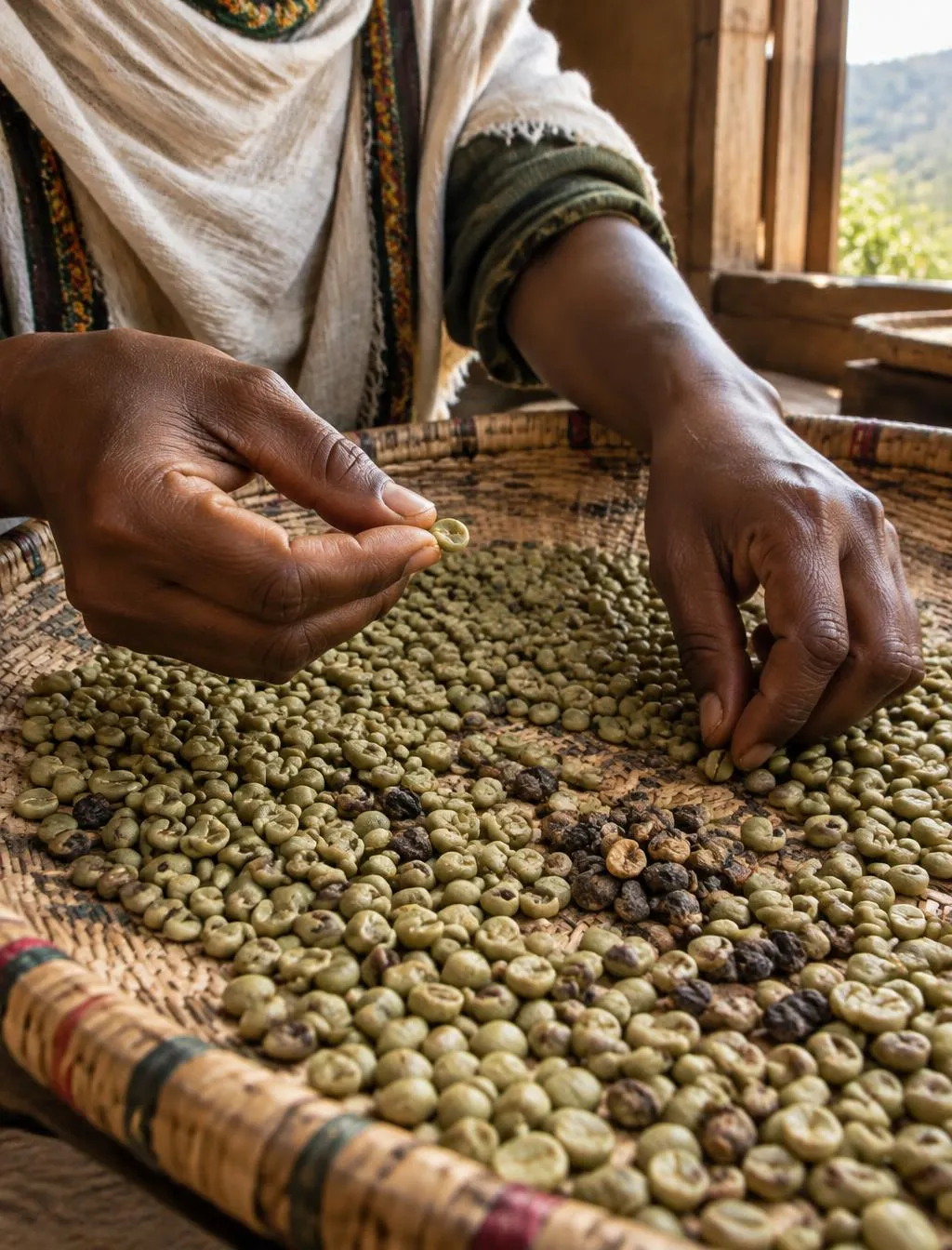
Every conversation begins with what you need — the coffee type, the quality and grade requirements, and the quantities your business is working towards.
Clear requirements make it easier to discuss honestly what may be available.

03Product discussions
Talking openly about the coffee.
Specifications, availability, and samples where available are discussed directly with Mohammed, so you hear about the product from the supplier himself.
04Supply arrangements
Agreeing on next steps together.
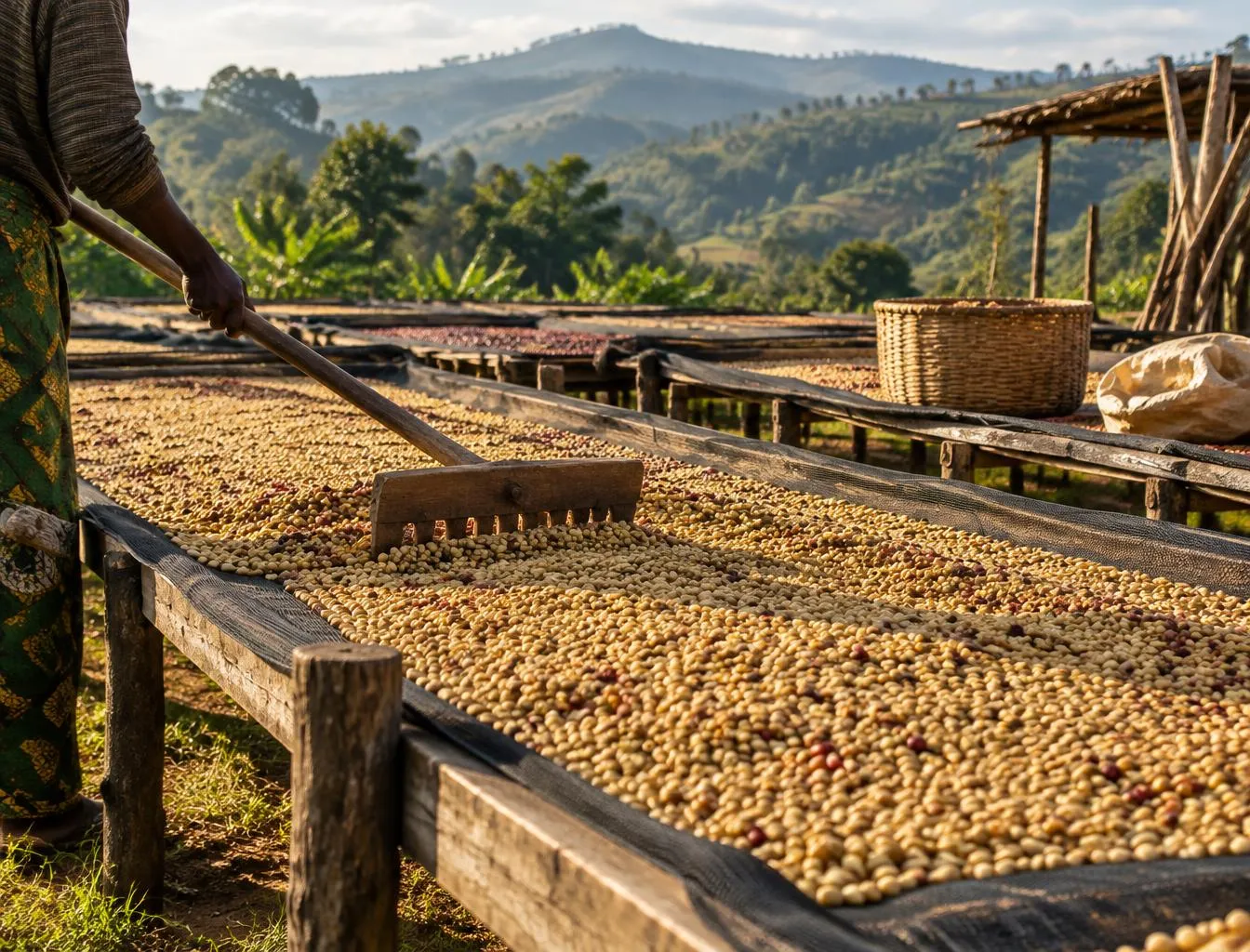
Once requirements and availability are understood, the conversation moves to pricing, logistics, and any potential supply arrangement — agreed between you and Mohammed.
Ethiopian Coffee Supply
Let's discuss your coffee requirements.
Start a direct conversation about coffee availability, quality specifications, and potential supply quantities.